
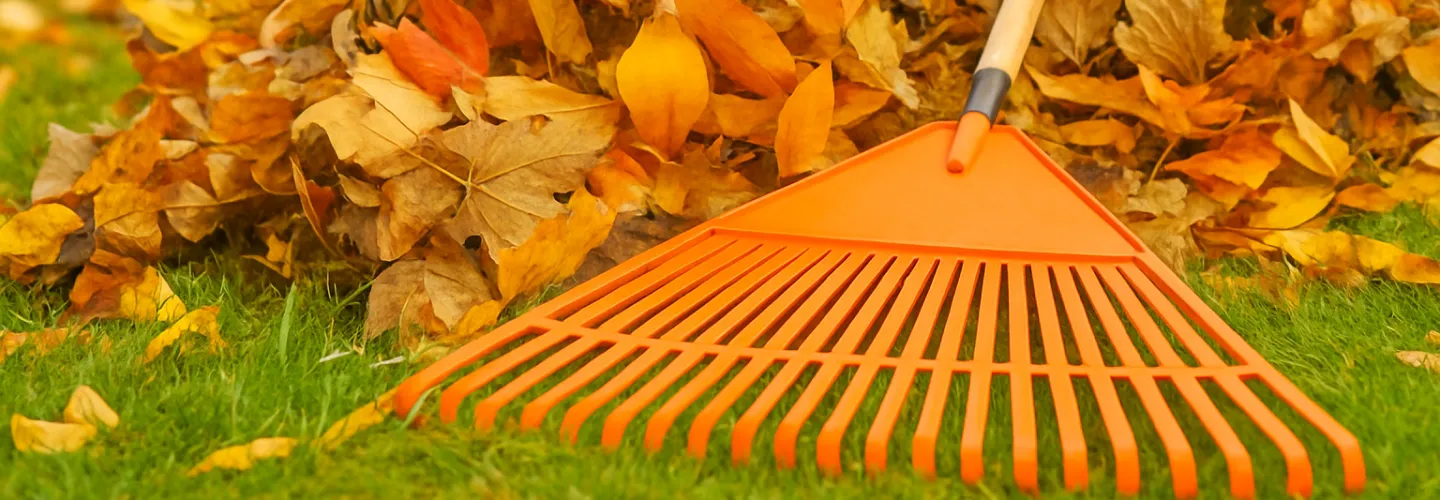
Esplanade Lake Club Green Waste Disposal Services
Choose our Green Waste Disposal service for reliable, environmentally responsible removal of yard debris—helping you keep your property beautiful while protecting our local ecosystem.
Get a Free QuoteOur Esplanade Lake Club Landscaping & Yard Care Services
When to Schedule Green Waste Disposal in Esplanade Lake Club, Florida – Seasonal Guide
In Esplanade Lake Club, Florida, the best times to schedule green waste disposal are closely tied to our unique subtropical climate and the rhythms of local landscaping needs. With mild winters and hot, humid summers, most homeowners find that late winter through early spring—just after the last frost date—offers an ideal window for clearing out yard debris, pruning, and preparing for new growth. This timing helps prevent disease and pest issues that can arise from lingering organic matter, especially in shaded areas near Lake Como or along the lush walking trails that define our community.
Local environmental factors such as high humidity, sandy soils, and the risk of summer droughts also play a significant role in determining when to dispose of green waste. For example, neighborhoods closer to the preserve areas or with dense tree coverage, like those near the Esplanade Golf & Country Club, may require more frequent service after heavy rains or storms. Additionally, it's important to stay informed about municipal guidelines to ensure compliance with local disposal regulations and to protect our beautiful surroundings.
Local Factors to Consider for Green Waste Disposal in Esplanade Lake Club
- Tree density and types of vegetation on your property
- Proximity to water features or preserve areas
- Seasonal precipitation and storm frequency
- Soil drainage and composition (sandy vs. clay)
- Shade coverage and microclimates
- Municipal restrictions and scheduled pickup dates
Benefits of Green Waste Disposal in Esplanade Lake Club

Eco-Friendly Landscaping Solutions
Efficient Green Waste Removal
Promotes Healthy Plant Growth
Enhances Curb Appeal
Reduces Landfill Waste
Supports Sustainable Practices
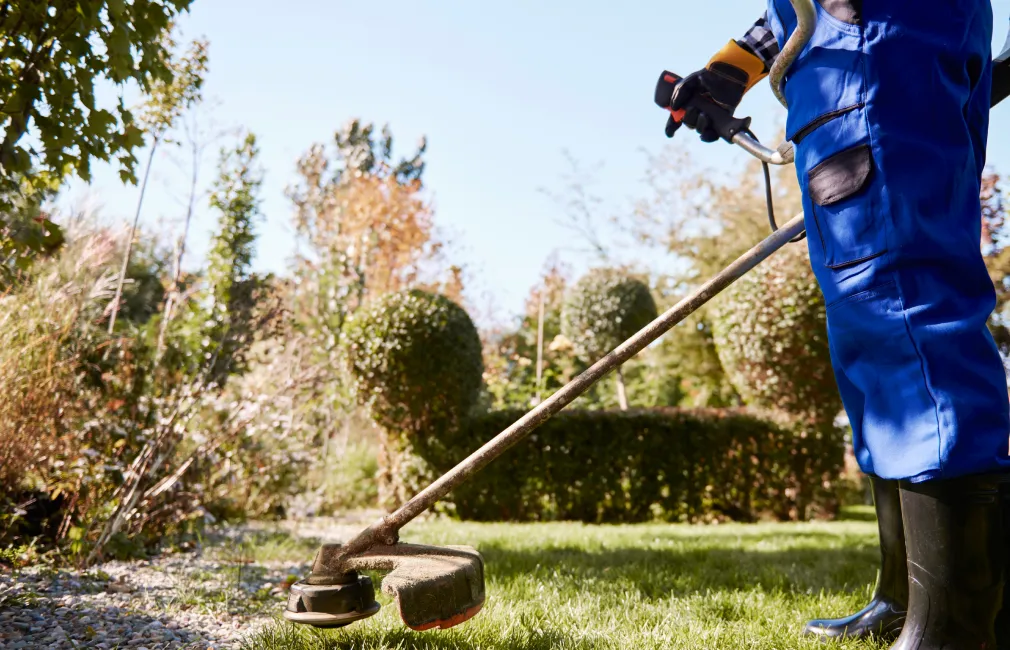
Esplanade Lake Club Green Waste Disposal Types

Grass Clippings
-
Tree Branches
-
Shrub Trimmings
-
Leaves Collection
-
Palm Fronds
-
Garden Weeds
-
Mulch Disposal
Our Green Waste Disposal Process
Collection of Green Waste
Sorting and Separation
Transport to Disposal Facility
Eco-Friendly Processing
Why Choose Esplanade Lake Club Landscape Services
Esplanade Lake Club Homeowners Trust Us
-
Expert Lawn Maintenance
-
Reliable Irrigation Solutions
-
Comprehensive Tree and Shrub Care
-
Seasonal Clean-Up Services
-
Competitive Pricing
-
Professional and Courteous Team
-
Satisfaction Guarantee
Coordinating Green Waste Disposal Through Lee County Public Works and CDD Guidelines
Esplanade Lake Club is a master-planned residential community within unincorporated Lee County, Florida, governed in part by the Esplanade Lake Club Community Development District (CDD). Green waste disposal for residents must align with both Lee County Solid Waste Division collection protocols and CDD landscape maintenance standards. Lee County provides curbside yard waste collection on a weekly schedule, requiring materials to be placed in containers no larger than 32 gallons or bundled in lengths not exceeding 4 feet. Branches must not exceed 4 inches in diameter, and all yard debris must be separated from household trash. Plastic bags are prohibited for yard waste; only biodegradable bags or reusable containers are accepted. Residents should confirm their specific collection day through Lee County Solid Waste services, as schedules vary by route assignment within the community.
Lee County Public Works
1500 Monroe Street, Fort Myers, FL 33901
Phone: (239) 533-2111
Official Website: Lee County Public Works
Esplanade Lake Club Community Development District
219 East Livingston Street, Orlando, FL 32801
Phone: (407) 841-5524
Official Website: Esplanade Lake Club Community Development District
Protecting Esplanade Lake Club's Stormwater Lakes and Wetland Buffers During Debris Removal
Esplanade Lake Club features an interconnected system of stormwater management lakes and conservation areas that require strict environmental compliance during green waste disposal activities. Under the Clean Water Act and Lee County's MS4 stormwater permit, yard debris must never enter storm drains, retention ponds, or lake littoral zones. Key environmental requirements include:
- Maintain a minimum 25-foot no-disturbance buffer from wetland boundaries and lake edges
- Never blow or rake grass clippings, leaves, or trimmings into stormwater conveyance systems
- Avoid stockpiling green waste within 50 feet of any surface water body
- Remove all debris from curb areas before rainfall events to prevent nutrient loading
The Florida Environmental Protection Act and the Florida Department of Environmental Protection (FDEP) regulate nutrient discharge into surface waters. Decomposing yard waste introduces excess nitrogen and phosphorus, contributing to algal blooms in the community's lakes. EPA Region 4 oversees federal compliance for communities in southwest Florida.
Lee County Natural Resources
1500 Monroe Street, Fort Myers, FL 33901
Phone: (239) 533-2111
Official Website: Lee County Natural Resources
Sandy Entisol Soils and Organic Debris Decomposition Challenges in Esplanade Lake Club
Esplanade Lake Club sits on predominantly sandy Entisol and Spodosol soils characteristic of southwest Florida's coastal plain, with pH levels typically ranging from 5.5 to 6.8. These excessively drained, low-organic-matter soils present specific considerations for green waste management. Residents can verify their property's exact soil series through the USDA Web Soil Survey. Key soil-related disposal factors include:
- Sandy soils decompose organic matter rapidly, but surface-piled debris attracts pests and creates fire hazards during dry season (November through May)
- Leaf litter and palm fronds left on sandy ground can smother St. Augustinegrass (Stenotaphrum secundatum) within 7–10 days during peak growing season
- Composting on-site requires a minimum 3-inch layer of mixed green and brown materials turned every 2–3 weeks
- Soil pH below 6.0 benefits from composted yard waste incorporation at 2–3 inches tilled to 6-inch depth
The community falls within USDA Hardiness Zone 10a, as confirmed by the USDA Plant Hardiness Zone Map, meaning year-round vegetative growth produces continuous green waste requiring regular disposal planning.
Seasonal Timing for Green Waste Volume Management in Southwest Florida's Climate
Esplanade Lake Club's subtropical climate produces distinct seasonal peaks in green waste generation that residents must anticipate for compliant disposal. The National Weather Service Tampa Bay office monitors weather patterns affecting the region. Seasonal disposal considerations include:
- Peak growing season (May–October): Weekly mowing of warm-season turf generates maximum clipping volume; schedule disposal for the same week as collection
- Hurricane season (June–November): Storm debris must be separated from routine yard waste; Lee County activates emergency debris collection sites after named storms
- Dry season (November–April): Accumulated palm fronds, dead foliage, and dried landscape trimmings increase fire risk; remove promptly and avoid open burning without a Lee County burn permit
- Spring flush (March–May): Pruning of tropical shrubs such as hibiscus, ixora, and bougainvillea generates heavy volumes; cut branches to 4-foot lengths for curbside acceptance
UF/IFAS Extension recommends timing major landscape pruning to late February through early March, before the rainy season begins, to reduce pest exposure and align disposal with lower collection demand periods.
Lee County Zoning and CDD Landscape Compliance for Green Waste Accumulation
Esplanade Lake Club residents must comply with both Lee County land development codes and CDD-enforced community standards regarding the storage and removal of green waste on residential properties. Lee County code enforcement prohibits the accumulation of yard debris for periods exceeding 14 days and restricts visible stockpiling of landscape waste in front yards or along roadways. Specific regulatory requirements include:
- Green waste containers and bundles must be placed curbside no earlier than 5:00 PM the day before scheduled collection
- Debris piles exceeding 6 cubic yards require coordination with Lee County Solid Waste for special pickup (typical fee range $25–$75)
- No yard waste may be placed within public rights-of-way, sidewalks, or drainage swales
- The CDD maintains additional aesthetic standards prohibiting visible debris accumulation beyond 48 hours after landscape maintenance activities
Lee County Zoning
1500 Monroe Street, Fort Myers, FL 33901
Phone: (239) 533-2111
Official Website: Lee County Zoning
Violations of county code or CDD landscape standards may result in fines. The Florida Forest Service County Foresters office can provide guidance on proper disposal of tree-related debris from protected or native species.
Florida Forest Service County Foresters
Phone: (239) 690-3500
Official Website: Florida Forest Service County Foresters
What Streets and Subdivisions Do We Serve Throughout Esplanade Lake Club, FL?
- Savona Bay Drive: The primary boulevard through the community features mature royal palms and tropical landscaping along its corridor, generating significant palm frond and leaf debris requiring frequent curbside collection coordination with Lee County schedules.
- Camerino Court area: Homes along Camerino Court near the community's interior lakes face heightened stormwater buffer compliance requirements, with green waste disposal needing careful staging away from littoral shelf plantings and retention pond edges.
- Arboretum Drive: This subdivision section features dense canopy coverage from live oaks and sabal palms, producing heavy seasonal leaf drop from February through April that demands timely bundling and removal to prevent turf smothering on sandy soils.
- Spectacle Lane: Properties along Spectacle Lane border conservation easements, requiring a minimum 25-foot setback for debris staging and prohibiting any green waste placement within designated preserve boundaries.
- Kinross Circle: The Kinross Circle area includes newer construction with establishing landscapes, generating pruning waste from fast-growing tropical shrubs such as clusia and cocoplum hedges that require cutting to 4-foot lengths for compliant disposal.