
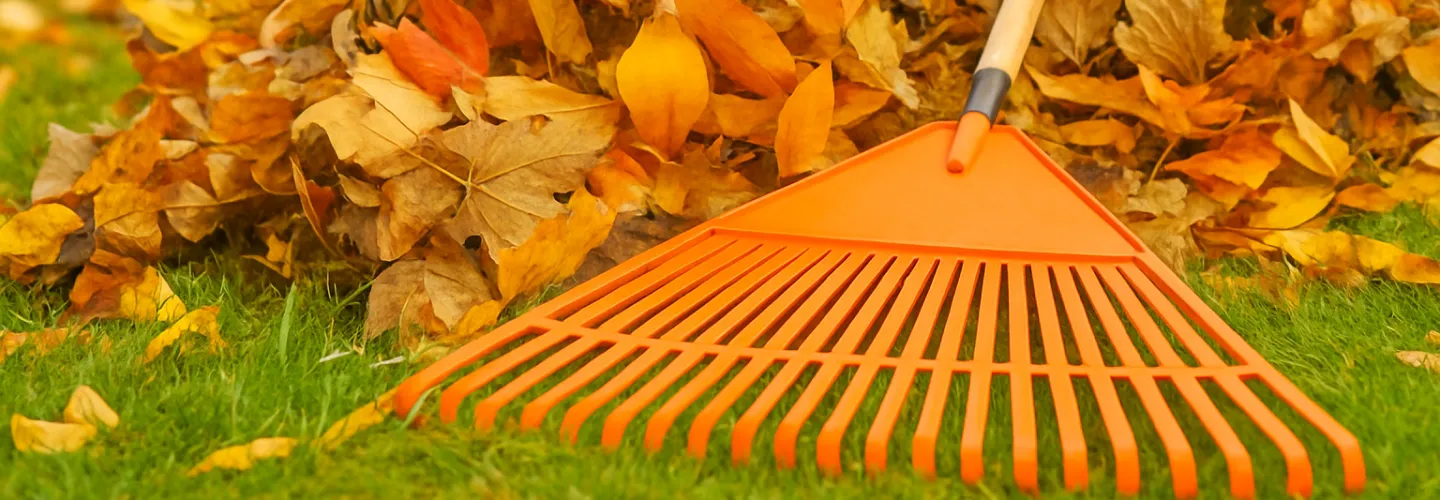
Esplanade Lake Club Dethatching Lawn Services
Choose our dethatching lawn services for a healthier, greener yard—our experienced team removes built-up thatch to promote stronger roots, improved water absorption, and a lush, vibrant lawn you’ll love.
Get a Free QuoteOur Esplanade Lake Club Landscaping & Yard Care Services
When to Schedule Dethatching Lawn in Esplanade Lake Club, Florida – Seasonal Guide
In Esplanade Lake Club, Florida, the best time to schedule dethatching for your lawn is typically in late spring or early summer, after the last frost has passed and before the peak of the rainy season. The unique microclimate around Lake Como and the shaded areas near the community clubhouse mean that soil temperatures warm up quickly, but excess humidity and afternoon storms can impact the timing. Dethatching during this window allows your turf—especially St. Augustine and Zoysia grasses common in the area—to recover rapidly and take advantage of optimal growing conditions.
Local environmental factors such as high humidity, sandy soils, and the proximity to water features like the Esplanade Lake itself can influence how quickly thatch builds up and how your lawn responds to dethatching. Homeowners near the golf course or along Grand Lakeview Drive may notice more shade coverage, which can slow down soil drying and affect the best timing for service. For more information on local climate patterns and municipal guidelines, visit the official Sudbury resource.
Local Factors to Consider for Dethatching Lawn in Esplanade Lake Club
- Tree density and shade coverage, especially near the preserve areas
- Soil type (predominantly sandy with some clay pockets)
- Seasonal precipitation and risk of drought
- Proximity to water features and drainage patterns
- Municipal restrictions or HOA guidelines on lawn maintenance
- Terrain variations, such as sloped lots or low-lying areas prone to pooling
Benefits of Dethatching Lawn in Esplanade Lake Club
Enhanced Lawn Health
Improved Water Absorption
Boosted Grass Growth
Reduced Pest Infestation
Increased Curb Appeal
Professional Landscaping Expertise
Esplanade Lake Club Dethatching Lawn Types

St. Augustine Grass Dethatching
-
Bermuda Grass Dethatching
-
Zoysia Grass Dethatching
-
Bahia Grass Dethatching
-
Centipede Grass Dethatching
-
Seashore Paspalum Dethatching
-
Mixed Turf Dethatching
Our Dethatching Lawn Process
Lawn Evaluation
Preparation and Marking
Dethatching Execution
Cleanup and Disposal
Post-Dethatching Inspection
Why Choose Esplanade Lake Club Landscape Services
Esplanade Lake Club Homeowners Trust Us
-
Expert Lawn Maintenance
-
Reliable Irrigation Solutions
-
Comprehensive Tree and Shrub Care
-
Seasonal Clean-Up Services
-
Competitive Pricing
-
Professional and Courteous Team
-
Satisfaction Guarantee
Coordinating Dethatching Lawn Services with Esplanade Lake Club’s Public Works and Drainage Programs
Dethatching in Esplanade Lake Club, FL, requires careful coordination with local public works and drainage management to prevent vegetative debris from entering stormwater systems. The community’s proximity to lakes, canals, and engineered swales means that improper disposal of thatch can contribute to blockages and water quality issues. Residents and property managers should ensure that dethatching debris is collected and disposed of according to Lee County’s yard waste procedures, which typically require separation from regular trash and may involve scheduled curbside pickup or drop-off at designated facilities. It is essential to keep dethatching debris out of swales, curb inlets, and canal edges to maintain effective drainage and comply with local stormwater protection efforts. For large-scale dethatching or if working near public rights-of-way, coordination with the county’s public works department is recommended to verify current collection schedules and any special requirements for vegetative debris.
Municipal Contacts:
Lee County Public Works
1500 Monroe St, Esplanade Lake Club, FL 33901
Official Website: Lee County Public Works
How Esplanade Lake Club’s Climate and Soils Shape Dethatching Lawn Needs
Esplanade Lake Club is situated in South Florida’s tropical-subtropical urban coast, where high humidity, intense summer heat, and sandy fill-based soils dominate the landscape. These conditions directly influence thatch accumulation and the timing of dethatching services. Key local factors include:
- Warm-season turfgrasses such as St. Augustinegrass and zoysiagrass are prevalent, both of which can develop significant thatch layers under high humidity and frequent irrigation.
- Sandy, fill-based soils common in the area promote rapid drainage but can also lead to nutrient leaching, making turf recovery after dethatching dependent on careful irrigation and soil management.
- The wet season, typically from June through September, increases fungal pressure and accelerates turf growth, making late spring the preferred window for dethatching before peak rainfall and heat.
For more on turf selection and maintenance in Florida’s climate, consult UF/IFAS Gardening Solutions - Lawns and the USDA Plant Hardiness Zone Map.
Regulatory Considerations and Environmental Compliance for Dethatching in Esplanade Lake Club
Dethatching activities in Esplanade Lake Club must comply with local and state regulations designed to protect water quality and manage stormwater runoff. While dethatching itself does not typically require a permit, improper handling of vegetative debris or the use of chemical dethatching agents may trigger review under Lee County’s environmental and stormwater ordinances. Residents should be aware of the following:
- Yard waste must be managed to prevent runoff into lakes, canals, and storm drains, in accordance with Florida DEP’s NPDES Stormwater Program.
- Any application of pesticides or herbicides as part of turf renovation must follow FDACS Pesticide Applicator Licensing requirements.
- The county may enforce additional restrictions in environmentally sensitive areas or near water bodies; verify current requirements with Lee County Water Quality or Natural Resources departments.
Municipal Contacts:
Lee County Water Quality
1500 Monroe St, Esplanade Lake Club, FL 33901
Official Website: Lee County Water Quality
Professional Dethatching Methods, Timing, and Standards for Esplanade Lake Club Lawns
Effective dethatching in Esplanade Lake Club is best performed during the active growth period of warm-season turf, typically in late spring before the onset of the wet season. This timing allows turf to recover quickly and minimizes the risk of weed invasion or fungal outbreaks. Professional standards for dethatching in this region include:
- Use of vertical mowers or power rakes set to remove only the excess thatch layer (generally more than 0.5 inches thick) without damaging healthy stolons or roots.
- Collection and immediate removal of all dethatching debris to prevent clogging of swales, storm drains, and canal edges.
- Light irrigation following dethatching to support turf recovery, with adjustments based on current WaterSense irrigation guidance and local water restrictions.
- Avoidance of dethatching during periods of drought stress or extreme heat, as turf may not recover adequately.
For additional technical guidance, refer to UF/IFAS Gardening Solutions - Lawn Maintenance and Care and the USDA Web Soil Survey for site-specific soil information.
What Neighborhoods Do We Serve Throughout Esplanade Lake Club, FL?
- Lakefront Residences Homes bordering the main lake require careful dethatching to prevent runoff and debris from entering the water, with many lots featuring mature landscaping and irrigation systems.
- Canal-Adjacent Properties These lots are directly connected to engineered drainage canals, making debris management and swale protection especially important during lawn maintenance.
- Golf Course Perimeter Homes Properties along the golf course edge often have expansive turf areas and may experience higher thatch buildup due to intensive irrigation and fertilization.
- Central Clubhouse District The area surrounding the clubhouse features smaller lots with ornamental beds and mixed sun/shade exposure, requiring tailored dethatching approaches.
- Preserve-Edge Neighborhoods Homes adjacent to natural preserves or conservation areas must follow stricter debris containment and environmental compliance standards to protect sensitive habitats.
- Newer Subdivision Sections Recently developed areas with fill-based soils and younger turf may have different dethatching needs and drainage patterns compared to established neighborhoods.
- Community Greenways and Trail Corridors These shared spaces require coordination with the community development district for maintenance scheduling and debris removal to maintain accessibility and aesthetics.
Municipal Contacts:
Esplanade Lake Club Community Development District
Esplanade Lake Club, FL
Official Website: Esplanade Lake Club Community Development District