
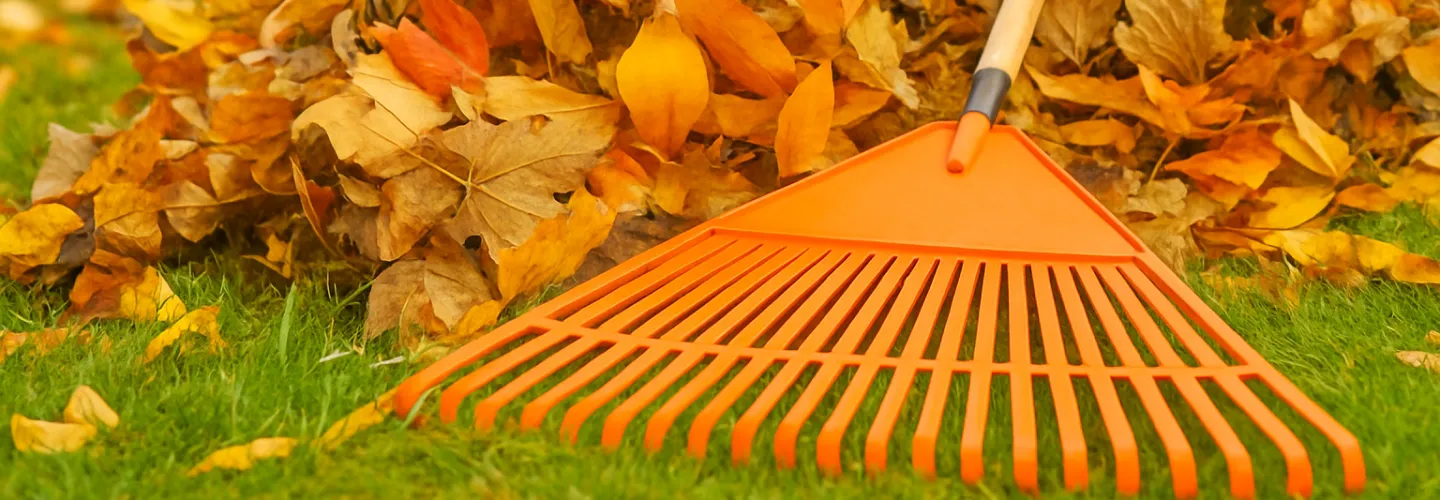
Esplanade Lake Club Brush Removal Services
Choose our professional brush removal services for safe, efficient clearing that enhances your property's beauty and value—trust our experienced team to handle even the toughest overgrowth with care and reliability.
Get a Free QuoteOur Esplanade Lake Club Landscaping & Yard Care Services
When to Schedule Brush Removal in Esplanade Lake Club, Florida – Seasonal Guide
In Esplanade Lake Club, Florida, timing your brush removal is essential for maintaining a healthy and attractive landscape. The region’s subtropical climate means that vegetation grows rapidly, especially during the warm, humid months. Optimal brush removal is typically scheduled in late winter to early spring, just after the last frost date and before the onset of the rainy season. This timing helps prevent regrowth and minimizes disruption to local wildlife. Neighborhoods near Lake Como and the community’s shaded walking trails often experience dense undergrowth, making regular maintenance crucial for both aesthetics and safety.
Local environmental factors such as high humidity, sandy soils, and periodic droughts can influence the best time for brush clearing. For example, areas with heavy shade coverage or proximity to water features may require more frequent attention to prevent overgrowth and pest issues. It’s also important to consider municipal guidelines and seasonal restrictions, which can be found on the official town website, to ensure compliance with local regulations.
Local Factors to Consider for Brush Removal in Esplanade Lake Club
- Tree density and types of native vegetation
- Terrain variations, including lakeside slopes and shaded areas
- Seasonal precipitation patterns and drought risk
- Municipal restrictions and community association guidelines
- Proximity to landmarks such as Lake Como and community parks
Benefits of Brush Removal in Esplanade Lake Club

Enhanced Curb Appeal
Improved Property Safety
Healthier Landscape Growth
Reduced Pest Infestation
Increased Usable Space
Professional and Efficient Service
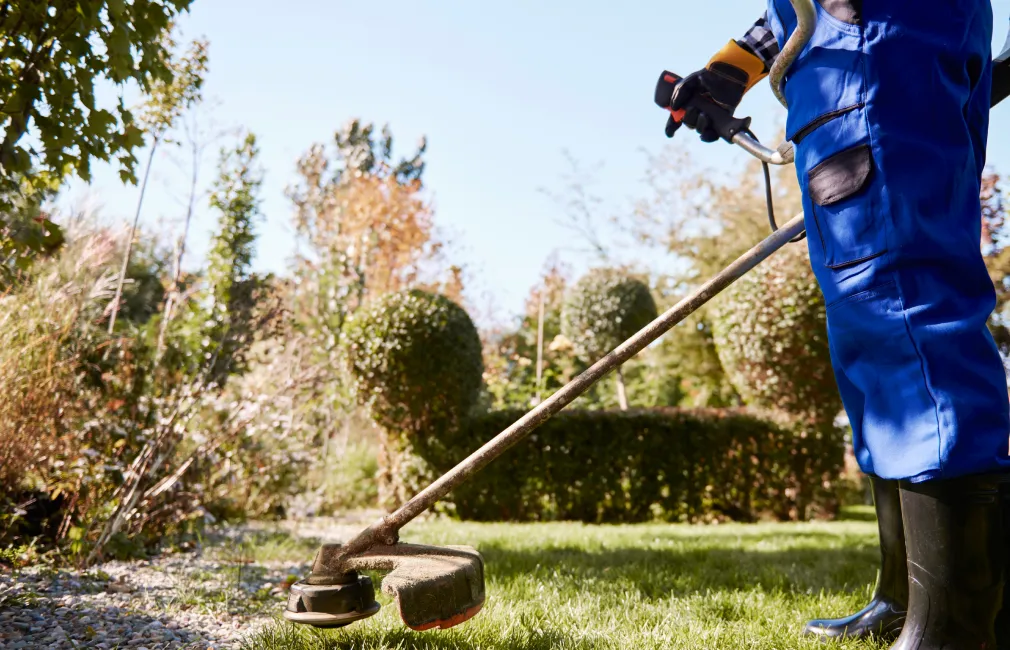
Esplanade Lake Club Brush Removal Types

Manual Brush Clearing
-
Mechanical Brush Removal
-
Selective Brush Thinning
-
Brush Mowing
-
Stump Grinding
-
Debris Hauling
-
Site Cleanup Services
Our Brush Removal Process
Site Evaluation
Safety Preparation
Brush Clearing
Debris Removal
Final Inspection
Why Choose Esplanade Lake Club Landscape Services
Esplanade Lake Club Homeowners Trust Us
-
Expert Lawn Maintenance
-
Reliable Irrigation Solutions
-
Comprehensive Tree and Shrub Care
-
Seasonal Clean-Up Services
-
Competitive Pricing
-
Professional and Courteous Team
-
Satisfaction Guarantee
Coordinating Brush Removal with Esplanade Lake Club and Lee County Public Works
Brush removal in Esplanade Lake Club, FL, requires careful coordination with both the community’s development district and Lee County Public Works to ensure that vegetative debris is managed in accordance with local procedures. Residents and property managers must adhere to established guidelines for brush pile placement, size, and timing to prevent obstruction of drainage swales, curb inlets, and right-of-way areas. In Esplanade Lake Club, brush should be separated from other waste types and placed at the designated curbside location, avoiding placement near storm drains or water bodies to minimize the risk of clogging and runoff pollution. For larger projects or storm debris, Lee County Public Works may provide additional collection or guidance, especially following severe weather events. Residents are encouraged to review the latest collection schedules and requirements through official channels before initiating substantial brush removal activities.
Municipal Contacts:
Lee County Public Works
1500 Monroe St, Esplanade Lake Club, FL 33901
Official Website: Lee County Public Works
How Esplanade Lake Club’s Climate and Soils Shape Brush Removal Needs
Esplanade Lake Club is situated in South Florida’s tropical-subtropical urban coastal context, which brings unique environmental considerations to brush removal. The area experiences intense summer heat and humidity, with a pronounced wet season from late spring through early fall, leading to rapid vegetative growth and frequent storm debris. Soils are predominantly sandy or fill-based, which can be prone to erosion and nutrient leaching, especially when brush piles are left on bare ground. The high water table and proximity to lakes, canals, and stormwater retention systems mean that improper brush handling can quickly impact local drainage and water quality. Key local conditions affecting brush removal include:
- High rainfall and storm events that generate large volumes of vegetative debris
- Sandy, well-drained soils that can erode if brush is not managed promptly
- Sensitive drainage infrastructure, including swales and storm drains, requiring debris-free maintenance
Regulatory Requirements and Environmental Compliance for Brush Removal
Brush removal in Esplanade Lake Club is governed by a combination of local ordinances and state environmental regulations. Lee County enforces rules regarding the placement and disposal of yard waste to protect stormwater systems and natural resources. Brush must not be deposited in canals, lakes, or drainage easements, as this can violate provisions of the Clean Water Act and the Florida DEP NPDES Stormwater Program. Residents should verify whether large-scale removal projects require review by the county’s zoning or natural resources departments, particularly if work is near protected wetlands or water bodies. The use of herbicides or pesticides in conjunction with brush removal is regulated under FDACS Pesticide Applicator Licensing, and only licensed professionals may apply restricted-use products. For compliance questions or to confirm current requirements, property owners should consult the appropriate municipal or state agency.
Municipal Contacts:
Lee County Natural Resources
1500 Monroe St, Esplanade Lake Club, FL 33901
Official Website: Lee County Natural Resources
Professional Methods, Timing, and Standards for Brush Removal in Esplanade Lake Club
Effective brush removal in Esplanade Lake Club relies on timing and methods that account for the region’s climate and infrastructure. Professional standards emphasize:
- Scheduling major brush removal before the onset of the wet season to reduce stormwater obstruction
- Keeping brush piles small, separated from other waste, and away from storm drains, swales, and water bodies
- Using tarps or temporary containment on sandy soils to prevent erosion and sediment runoff
- Avoiding removal during or immediately after heavy rainfall to minimize soil disturbance and compaction
- Ensuring all debris is removed from public rights-of-way within the timeframes specified by Lee County Public Works
For additional technical guidance on stormwater protection during debris removal, refer to the EPA Stormwater Discharges from Municipal Sources and UF/IFAS Gardening Solutions - Protecting Florida’s Water Resources.
What Neighborhoods Do We Serve Throughout Esplanade Lake Club, FL?
- Lakefront Residences Homes along the main lake benefit from mature landscaping and require careful brush removal to protect shoreline drainage and water quality.
- Golf Course Enclave Properties adjacent to the golf course often feature larger lots and extensive plantings, with increased brush volume and access considerations for removal equipment.
- Canal-Edge Homes These lots border community canals and swales, making debris management critical to prevent blockages and maintain stormwater flow.
- Preserve-View District Residences facing natural preserves must observe additional restrictions to protect sensitive habitats during brush removal.
- Central Clubhouse Area The neighborhood core includes smaller lots and shared green spaces, where coordinated brush removal supports both aesthetics and drainage.
- Entry Boulevard Corridor Homes along the main entry benefit from HOA-managed landscaping and require adherence to community brush placement guidelines.
- Southern Perimeter Zone This area features newer construction and fill-based soils, with particular attention needed for erosion control during debris handling.